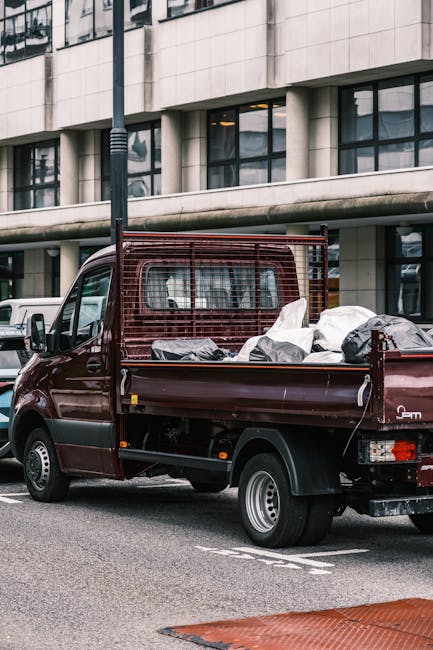
SM2 flat removals St Nicholas Way Sutton insider tips: a practical guide for a smoother move
If you are planning SM2 flat removals St Nicholas Way Sutton insider tips, you are probably looking for the kind of advice that saves time, avoids hassle, and stops small issues turning into moving-day drama. Flat moves in Sutton can be straightforward when the details are handled properly, but let's face it, the details are where most of the stress lives.
This guide brings together practical, local-minded advice for moving in and around St Nicholas Way, with a focus on access, packing, timing, parking, building rules, and the simple decisions that make a real difference. You will also find a clear step-by-step plan, a comparison table, and a checklist you can actually use. If you need broader help with flat moving, the company's flat removals page is a useful place to start, while those comparing options more generally may also want to look at removal services and pricing and quotes.
Table of Contents
- Why SM2 flat removals St Nicholas Way Sutton insider tips matters
- How SM2 flat removals St Nicholas Way Sutton insider tips works
- Key benefits and practical advantages
- Who this is for and when it makes sense
- Step-by-step guidance
- Expert tips for better results
- Common mistakes to avoid
- Tools, resources and recommendations
- Law, compliance, standards, or best practice
- Options, methods, or comparison table
- Case study or real-world example
- Practical checklist
- Conclusion
- Frequently asked questions
Why SM2 flat removals St Nicholas Way Sutton insider tips Matters
Flat removals are different from house removals in a few very predictable ways. There is usually less room to manoeuvre, more shared space to protect, and more chance that a small delay will affect someone else. In an SM2 setting such as St Nicholas Way, those factors can matter even more because apartment access, lift use, loading areas, and parking arrangements often shape the whole move.
The real value of insider tips is not glamour or clever hacks. It is control. When you know what to check before move day, you are less likely to be caught out by a tight staircase, a blocked bay, or a missing box of essentials. You also tend to move faster because you are not making decisions in a panic at 8:10 in the morning while the kettle is still half-packed. Bit of a nightmare otherwise.
Another reason this matters is damage prevention. Flats are notorious for bottlenecks: narrow hallways, corners with paint scuffs waiting to happen, awkward doors, and lifts that are just a touch smaller than your sofa hoped they would be. Good planning reduces the odds of scratches, broken items, frustrated neighbours, and those awkward moments where everyone is standing around waiting for the next move. We have all seen moves where the box labels were fine, but the route through the building was the real problem.
Expert summary: The smoothest flat moves in St Nicholas Way are usually the ones where access, packing, timing, and communication are planned before the van arrives. That sounds simple, because it is. Simple, but not always easy.
How SM2 flat removals St Nicholas Way Sutton insider tips Works
A good flat move usually follows a sensible sequence. First comes the planning stage, where you identify what is moving, what needs dismantling, whether you need packing help, and how access will work at both ends. Then comes the booking stage, where you choose the right vehicle and crew for the size of the load. After that, the move itself is usually a matter of loading in the right order and keeping the path clear.
For St Nicholas Way flats, the practical part often begins before the removal team arrives. Check whether you need entry permissions, whether the lift is available, and whether the van can stop legally and safely close enough for efficient loading. If you are relocating a larger set of furniture, a more substantial vehicle such as a moving truck may be more appropriate than a smaller option. On smaller moves, a flexible man with van setup can be a neat fit. Depends on the load, really.
The loading order matters more than people think. The most fragile items should be packed separately and placed where they will not be crushed. Heavy boxes go low. Softer items fill gaps. Furniture is wrapped and secured so it does not rattle around like cutlery in a biscuit tin. If you have a few awkward items, services such as packing and boxes or packing and unpacking services can remove a surprising amount of pressure from the day.
At the end of the move, a short final walkthrough is worth its weight in gold. Check cupboards, behind doors, under beds, balcony spaces, and that one corner where cables always seem to breed. It is boring. It is also the bit that saves you coming back later with a heavy sigh and a missing lamp shade.
Key Benefits and Practical Advantages
Well-planned flat removals in Sutton are not just about speed. They make the whole day calmer, safer, and usually cheaper in practical terms because fewer mistakes mean fewer delays. That is the simplest way to look at it.
- Less disruption: A planned route, proper packing, and clear access reduce time spent waiting in corridors or around lifts.
- Lower damage risk: Proper wrapping, correct lifting, and sensible loading help protect furniture, walls, and fragile items.
- Better use of crew time: When boxes are labelled and ready, the team can work efficiently instead of asking basic questions every two minutes.
- Cleaner budgeting: Accurate planning usually helps avoid last-minute extras, wasted trips, or the need for a rushed second run.
- More confidence on the day: You know what is happening and when. That sounds small, but it changes the feel of the move completely.
There is also a subtle benefit that people often overlook: good planning makes your move feel less personal in the stressful sense. You are not "fighting" the process. You are steering it. That shift matters, especially if you are moving after a long tenancy, a breakup, a first-time purchase, or a big change in routine.
If storage is part of the picture, perhaps because your completion date and move-out date do not line up neatly, it can be useful to factor in storage early rather than as an emergency fix. A little breathing room can save a lot of stress.
Who This Is For and When It Makes Sense
This kind of guidance is useful for almost anyone moving from a flat in SM2, but it is especially relevant if you are dealing with one or more of the following situations:
- you live in a block with limited loading space or shared access
- you have a lift booking window or building rules to work around
- you are moving on a tight schedule between tenancies
- you have larger furniture pieces that need careful handling
- you are moving solo or with only a little help from friends
- you want a low-drama move and would rather not spend the whole day improvising
Students often fall into this category too, especially when leaving shared flats with awkwardly sized furniture and a lot of smaller items. If that sounds familiar, student removals may be more relevant than a fully scaled household move. On the other hand, if you are moving a family home after apartment living, the priorities can shift more towards larger furniture handling and coordination with house removals or even home moves.
It also makes sense for people who simply do not want to risk the typical last-minute mess. You know the sort of thing: a mattress that will not fit round the stairs, two boxes with no labels, and someone saying, "We'll just wing it." No, thank you.
Step-by-Step Guidance
Here is a practical process you can follow. It is not fancy, but it works.
- Take a full look at what needs moving. Walk through the flat room by room. Note large items, fragile items, dismantling needs, and anything you may want to donate or discard.
- Check access at both properties. Measure stair widths if needed, ask about lift size, find out whether parking is close enough, and confirm any building rules in advance.
- Separate essentials. Pack a small bag with phone charger, keys, paperwork, medication, toiletries, kettle items, and a change of clothes. You will thank yourself later.
- Choose the right moving support. If you need a straightforward local move, a man and van option can be efficient. For larger or more complex moves, consider the broader support available through removals and removal services.
- Pack in a sensible order. Start with the items you use least. Keep heavy items manageable. Avoid overfilling boxes just to save time. A box that is too heavy is not efficient; it is a trap.
- Label clearly. Label boxes by room and add a short note for anything fragile or urgent. "Kitchen - glasses" is better than "miscellaneous."
- Prepare the building path. Clear hallways, move loose items, protect floors if necessary, and make sure the route from door to van is not cluttered.
- Load in a planned sequence. Put heavy and solid items in first, then furniture, then lighter and fragile items where they will stay secure.
- Do a final check. Open cupboards, check behind doors, confirm keys, and make sure nothing has been left on a window ledge or balcony.
That final check sounds tedious because it is tedious. But it is also how you avoid that sinking feeling on the drive away.
Expert Tips for Better Results
These are the practical little things that tend to make the biggest difference.
- Book with access, not just volume, in mind. Two flats with the same number of rooms can be wildly different to move. A third-floor walk-up is not the same job as a ground-floor apartment, even if the inventory looks similar.
- Use soft items as protection. Blankets, towels, and duvet covers can help protect awkward shapes, but only where they fit properly. Do not wrap everything in a frantic ball and hope for the best.
- Protect the route first. If you are worried about hallway corners or tight doorframes, focus on those before the van is packed. A minute spent here can save repairs later.
- Keep screws and fittings together. Small labelled bags for dismantled furniture are a lifesaver. Put them in the same box as the item or tape them securely to the frame if appropriate.
- Think in "first night" terms. What will you need within the first 12 hours? Make sure those items are easy to find. Not buried under pillows. We have all made that mistake at least once.
- Plan for weather. If the move falls on a wet or windy morning, protect box bottoms and keep a few towels handy for doorways and floors.
One of the best insider tips, honestly, is to reduce the number of decisions needed on the day. The fewer questions you are answering while carrying furniture, the better the move will go. Simple rule. Very hard to beat.
If your move includes bulky or delicate items like upright instruments, it may be worth looking at specialist support such as piano removals rather than treating everything as standard furniture. That is one of those decisions people only regret after the fact.
Common Mistakes to Avoid
Most moving problems are not dramatic. They are small oversights that pile up. The good news is that they are usually avoidable.
- Underestimating access issues. A roomy flat can still be awkward if the route out is tight.
- Packing too late. If boxes are still open on the evening before the move, the day is already starting behind schedule.
- Not measuring furniture. A sofa that is "probably fine" may not be fine at all.
- Forgetting parking and loading space. This can cause delays before the first box even moves.
- Mixing fragile items with heavy ones. It is tempting. It is also how chipped mugs happen.
- Leaving essentials in random boxes. Your kettle, charger, and documents should not become a scavenger hunt.
- Skipping the final sweep. This is how small but important items get left behind.
There is also a softer mistake: assuming the move will "sort itself out" once the van arrives. Truth be told, that is where most people lose time. A little structure beforehand is worth a lot more than frantic effort mid-move.
Tools, Resources and Recommendations
You do not need complicated gear for a flat move, but a few simple tools can make things easier.
- Strong boxes: Use good-quality boxes that suit the weight of what is inside.
- Marker pens and labels: Clear labels are one of the cheapest ways to save time.
- Bubble wrap and paper: Helpful for breakables, picture frames, glassware, and loose kitchen items.
- Furniture blankets: Useful for protecting finishes and reducing scuffs during loading.
- Basic toolkit: A screwdriver, Allen keys, and tape can solve the sort of issue that otherwise eats 20 minutes.
- Checklist on paper: Yes, paper. Phones are useful, but a physical list is sometimes easier when your hands are full.
If you want a more organised approach, the service pages for packing and unpacking services and packing and boxes are useful if you would rather outsource some of the prep. If the move is tied to work, office relocation services and commercial moves show how the same planning mindset applies in a different setting.
And if your furniture is not going with you at all, you may find furniture removals or furniture pick up more useful than full move support. That is one of those "use the right tool for the job" moments. Saves time, saves effort.
Law, Compliance, Standards, or Best Practice
For flat removals, compliance is mostly about safe practice, fair handling of property, and following the relevant building or parking rules that apply to your move. You do not need to become a legal expert, but you should be aware of the basics.
In practical terms, that means checking whether your building has access rules, lift booking requirements, noise expectations, or loading limitations. It also means making sure the removal provider uses sensible manual handling practices, protects items appropriately, and carries suitable insurance. If anything about the move feels uncertain, ask before move day rather than assuming it will be sorted on arrival.
The company's insurance and safety information is worth reviewing if you want reassurance around the standards behind the service. Likewise, the health and safety policy can help you understand the general approach to safe working. For payment-related peace of mind, payment and security explains how transactions are handled, while the terms and conditions set out the usual service boundaries.
Best practice is not just a box-ticking exercise. It is what makes the move feel organised and professionally handled. That includes clear communication, transparent expectations, careful lifting, and sensible timing. Small things, yes, but they add up fast.
Options, Methods, or Comparison Table
Different flat moves call for different approaches. The right option depends on how much you are moving, how awkward the access is, and how much help you want on the day.
| Option | Best for | Strengths | Watch-outs |
|---|---|---|---|
| Man and van | Smaller flat moves, lighter loads, quick local jobs | Flexible, efficient, usually well-suited to short-distance moves | May be less ideal if you have lots of furniture or multiple trips |
| Full removals service | Most flat moves with more furniture or tighter timelines | More support, better for larger inventories, less strain on you | Needs clearer planning so access and timing are accurate |
| Self-managed move with hired vehicle support | People with extra help and a smaller budget | More control over packing and loading | Can become tiring very quickly, especially with stairs or heavy items |
| Storage-led move | Gaps between moving out and moving in | Reduces pressure if dates do not line up neatly | Needs extra planning and may add an extra handling stage |
There is no perfect option for everyone. What matters is matching the method to the move. That is where people often go wrong: they choose the cheapest idea before they have thought about the actual logistics.
Case Study or Real-World Example
Picture a typical St Nicholas Way flat move. You have a one- or two-bed apartment, a few bulky pieces, a mixture of boxes, and a move-out deadline that leaves little room for error. The main complication is not the distance. It is access.
In a move like this, the most helpful decision is usually to prepare the flat the day before: labels on every box, furniture partially dismantled, bedding packed separately, and a small essentials bag ready to go. On the morning itself, the hallway is clear, the route is checked, and nothing is left to chance. That means the removal team can get straight to work instead of waiting while someone searches for the right screws or a missing key. And yes, that missing key is always hiding in a jacket pocket somewhere.
What tends to make the biggest difference in these scenarios is not brute force but sequencing. The sofa goes out before the lighter boxes get stacked near the door. Fragile items are kept apart. The last walk-through catches the charger in the bathroom drawer and the spare bulbs in the kitchen cupboard. All boring details. All useful.
That kind of move usually feels very different by lunchtime. Less frantic, less noisy, and much more manageable. You can hear the difference, almost. Fewer thuds, fewer raised voices, more steady movement.
Practical Checklist
Use this checklist in the last couple of days before moving.
- Confirm move date and time
- Check access, parking, lift use, and any building instructions
- Measure large items and doorways if needed
- Set aside a box or bag for essentials
- Label boxes by room and priority
- Disassemble furniture where sensible
- Wrap fragile items properly
- Keep screws, fittings, and manuals together
- Protect floors and routes if required
- Arrange storage if dates do not align
- Do a final room-by-room sweep
- Keep your phone charged and accessible
Quick takeaway: if you can reduce uncertainty before the van turns up, you will already be halfway to a calmer move. That is the real insider tip, plain and simple.
Get a free quote today and see how much you can save.
Conclusion
SM2 flat removals in St Nicholas Way Sutton do not need to be stressful, but they do need thoughtful planning. The best results usually come from treating access, packing, timing, and communication as part of the move itself rather than extra details. Once those pieces are in place, everything gets easier. Not effortless, maybe, but definitely easier.
If you are comparing support levels, think about the size of your flat, the furniture you own, and how much lifting or coordination you want to handle yourself. For some people, a simple man with van setup is enough. For others, a fuller service such as removals is the calmer choice. Either way, the smartest move is the one that fits your real situation, not the one that looks neat on paper.
And if you want to understand the team behind the service before you book, the about us page is a sensible next stop. Sometimes trust is built in the small details, and that matters more than people admit.
Move well, keep it simple, and give yourself a bit of grace on the day. You are doing more than shifting boxes. You are making a fresh start, and that deserves a calm hand.
Frequently Asked Questions
What is the best way to plan SM2 flat removals in St Nicholas Way Sutton?
The best approach is to plan access, parking, packing, and timing before move day. Start with a room-by-room inventory, then confirm whether the lift, stairs, and loading area are suitable for the items you own.
How early should I book a flat removal?
The earlier the better, especially if you have a specific date, building access restrictions, or a tight tenancy handover. Last-minute moves can be done, but early booking usually gives you more flexibility and less stress.
Is a man and van service enough for a flat move?
It can be, particularly for smaller flats or lighter loads. If you have more furniture, fragile items, or access challenges, a fuller removal service may be a better fit.
Do I need packing help for a flat removal?
Not always, but packing support can be very useful if you are short on time or worried about breakables. Services like packing and boxes or packing and unpacking services can save a lot of effort.
How do I protect walls and furniture in a flat move?
Use proper wrapping for furniture, keep walkways clear, and make sure bulky items are carried carefully through doorways and corners. Good route planning matters just as much as padding.
What should I do if I cannot move in and move out on the same day?
Storage can help bridge the gap. It is worth organising early if your dates do not line up neatly, rather than leaving it until the last minute.
Are flat moves more difficult than house moves?
Often they are trickier in different ways. Flats usually involve tighter access, shared areas, and more planning around building rules, even if the overall volume is smaller than a house move.
What is the biggest mistake people make during flat removals?
Underestimating access. A move can look small on paper and still become complicated if parking, lifts, stairs, or doorways are awkward.
Can I move bulky furniture from a flat without specialist help?
Sometimes yes, but it depends on the item and the access. Large or awkward pieces may be safer with experienced help, especially if you have narrow stairwells or tight corners.
How can I make moving day less stressful?
Prepare essentials in advance, label boxes properly, keep the route clear, and confirm logistics early. A calm start usually leads to a calmer finish. Not always, but usually.
What should I check before booking a removal service?
Check what is included, how access will be handled, whether insurance and safety arrangements are in place, and whether the service matches the size of your move. If needed, review the company's insurance and safety information and pricing guidance first.
Is it worth getting a quote for a small flat move?
Yes. Even a small move benefits from accurate pricing, because access, packing support, and timing can change the job more than people expect. A clear quote makes it easier to compare your options sensibly.